
Social media is more than a space for content sharing; it’s a dynamic instrument enabling businesses to connect with audiences, enhance brand recognition, and fuel sales growth. However, achieving social media success demands careful planning, not just casual posting. This guide outlines the fundamental steps involved in formulating a social media strategy that is both effective and straightforward to implement.
The Importance of a Social Media Strategy
A well-defined strategy ensures that your social media efforts are purposeful and geared toward achieving specific outcomes. Here’s why having one is crucial:
- Expands Brand Visibility: Facilitates your business in reaching its intended audience.
- Enhances Engagement: Promotes meaningful exchanges with your followers.
- Generates Website Traffic and Sales: Converts social media followers into paying customers.
- Optimizes Resource Allocation: Prevents aimless posting and maintains focused efforts.
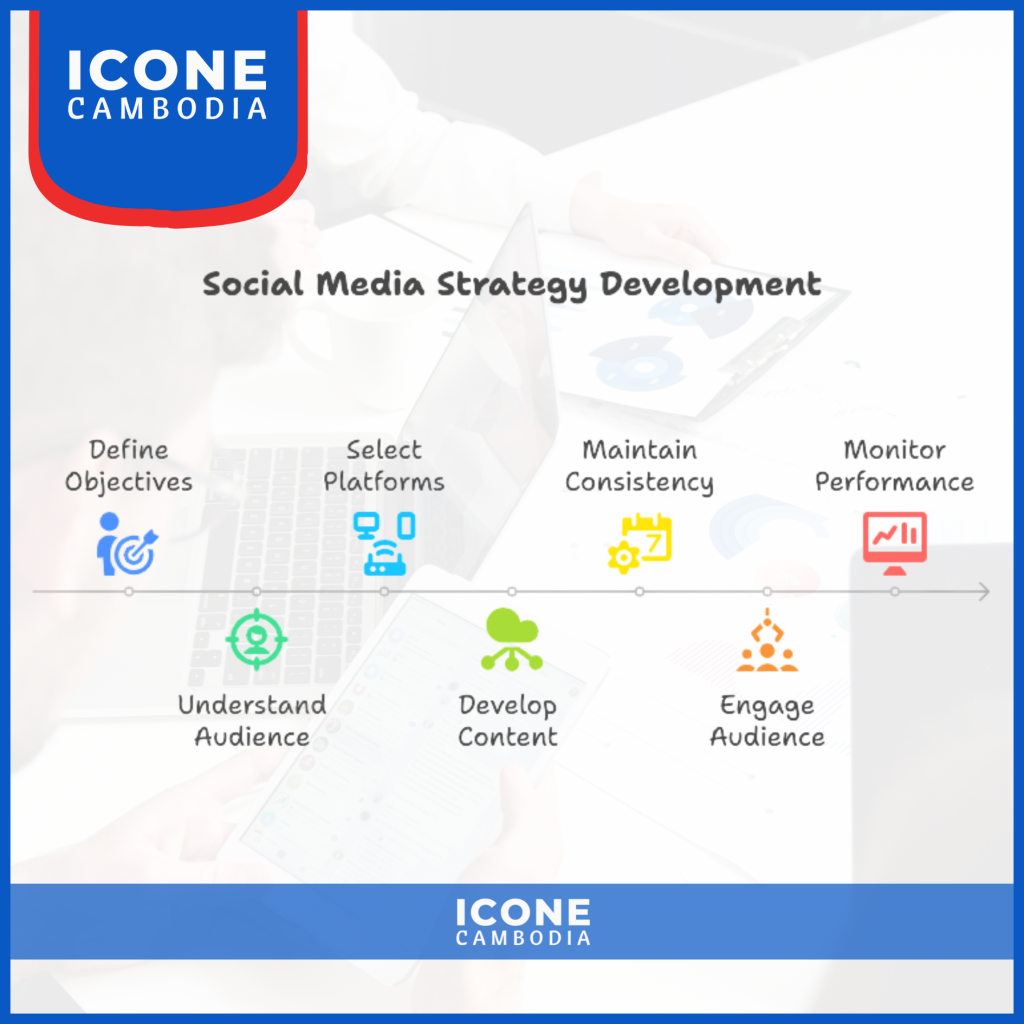
Step 1: Define Clear Objectives
Prior to content development, identify what you aim to accomplish through social media. Typical objectives include:
- Brand Awareness: Broaden your reach and cultivate your audience base.
- Engagement: Increase interactions such as likes, comments, and shares.
- Lead Generation: Capture prospective customers and guide them to your website.
- Sales and Conversions: Promote products or services and stimulate purchases.
Step 2: Understand Your Target Audience
A thorough understanding of your target audience is vital for creating relevant content. Consider:
- Audience Demographics: Age, location, interests, and behavioral patterns.
- Audience Needs: Their challenges and how your business can offer solutions.
- Platform Preferences: The social media platforms they use most frequently.
Step 3: Select Appropriate Platforms
Not all social media platforms are suitable for every business. Concentrate on the platforms where your target audience is most active:
- Facebook and Instagram: Excellent for visual content, community development, and advertising.
- LinkedIn: Ideal for B2B marketing initiatives and professional networking.
- TikTok and YouTube: Well-suited for video content and engaging with younger demographics.
Step 4: Develop and Curate Engaging Content
Content serves as the cornerstone of your strategy. Utilize a variety of content formats to sustain audience interest:
- Informative Content: Share industry tips, guides, and valuable insights.
- Entertaining Content: Provide behind-the-scenes content, memes, and relatable posts.
- Promotional Content: Showcase your products, services, and special offers.
- User-Generated Content: Feature customer testimonials and experiences.
Step 5: Maintain Consistent Posting and Optimize Timing
Regular posting is essential for maintaining audience engagement. Employ a content calendar to schedule posts in advance and publish them during optimal times when your audience is most active.
Step 6: Engage with Your Audience
Social media is a two-way communication medium. Respond to comments, messages, and mentions to foster strong relationships with your followers.
Step 7: Monitor and Refine Performance
Regularly analyze your analytics to determine what’s effective and adjust your strategy accordingly. Key metrics to monitor include:
- Engagement Rate: Interactions such as likes, shares, and comments.
- Reach and Impressions: The number of individuals who view your content.
- Click-Through Rate (CTR): The number of users who click on your links.
- Conversion Rate: Sales or leads generated through social media.
Final Thoughts
A thoughtfully crafted social media strategy has the potential to transform your online presence and drive substantial business growth. Whether you are initiating your social media presence or refining your existing approach, adhering to these steps will guide you toward achieving success.