
The Circular Economy: A Blueprint for Sustainability
.
Understanding the Circular Economy
The linear economic model, characterised by a “take-make-dispose” approach, is unsustainable in the long term. The circular economy offers a refreshing alternative, aiming to eliminate waste and pollution, circulate products and materials, and regenerate natural systems. It’s a systemic approach that seeks to redefine growth, decoupling economic activity from the consumption of finite resources.
Benefits of the Circular Economy
Embracing a circular economy brings numerous advantages:
- Environmental benefits: Reduces waste, conserves resources, and mitigates climate change.
- Economic benefits: Creates new business opportunities, stimulates innovation, and reduces costs.
- Social benefits: Improves public health, generates jobs, and enhances community resilience.
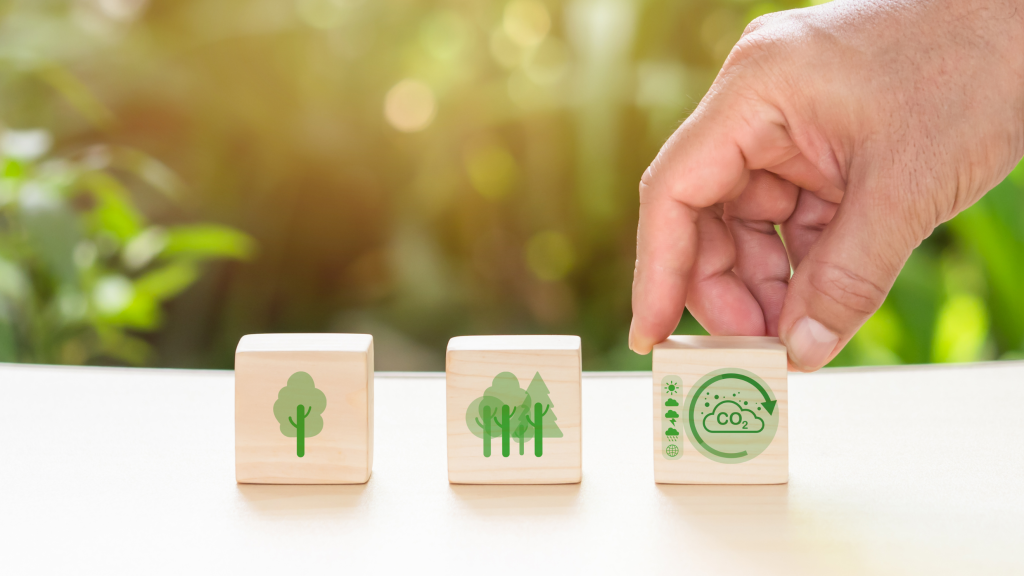
Challenges and Barriers
While the circular economy holds immense promise, its implementation faces hurdles:
- Infrastructure: Lack of adequate waste management and recycling facilities.
- Consumer behaviour: Overcoming ingrained habits of consumption and disposal.
- Policy and regulation: Creating supportive legal frameworks and incentives.
- Technology: Developing innovative solutions for product design, remanufacturing, and recycling.

Circular Economy in Action: Case Studies
To illustrate the circular economy’s potential, let’s examine specific industries and materials:
- Fashion Industry
The fashion industry is notorious for its environmental impact. A circular approach involves extending product life through repair, reuse, and recycling. Brands like Patagonia offer repair services and encourage product longevity. Additionally, initiatives like textile recycling and the development of sustainable materials are gaining traction.
- Electronics
The electronics industry generates vast amounts of electronic waste (e-waste). A circular approach focuses on designing products for easy disassembly, recovering valuable materials, and extending product life through refurbishment. Companies like Apple have implemented take-back programs and invest in recycling technologies.
- Construction and Building
The construction industry contributes significantly to resource depletion and waste. Circular principles can be applied through material reuse, building design for disassembly, and the use of recycled materials. Initiatives like modular construction and building information modeling (BIM) support a circular approach.
Overcoming Challenges and Driving Circularity
Transitioning to a circular economy requires a multi-faceted approach:
- Policy and regulation: Governments should create enabling environments through legislation and incentives.
- Business innovation: Companies need to adopt circular business models and invest in research and development.
- Consumer awareness: Educating consumers about the benefits of circularity and encouraging behavioural change.
- Collaboration: Fostering partnerships between businesses, government, and civil society.
By addressing these challenges and working collaboratively, we can accelerate the transition to a circular economy and build a more sustainable future.